Darknet Markets 2026:
The dark web is part of the deep web but is built on darknets: overlay networks that sit on the internet but which can't be accessed without special tools or software like Tor. Tor is an anonymizing software tool that stands for The Onion Router — you can use the Tor network via Tor Browser.
| Darknet Market | Established | Total Listings | Link |
|---|---|---|---|
| TorZon Market | 2022 | 140+ | Onion Link |
| Nexus Market | 2024 | 600+ | Onion Link |
| Abacus Market | 2022 | 100+ | Onion Link |
| Ares | 2026 | 100+ | Onion Link |
| Cocorico | 2023 | 110+ | Onion Link |
Updated 2026-10-27
How a Nexus Link Makes Shopping on the Darknet Easy and Secure
A Nexus link serves as a specialized gateway to a consolidated darknet marketplace. It functions as a secure access point that directs a user's encrypted connection directly to the platform's main hub, bypassing the need to navigate through unstable or unreliable individual vendor shops. The link itself is a .onion URL, accessible only through the Tor browser, which provides the foundational layer of anonymity by masking the user's IP address.
The operational mechanism relies on a multi-layered security model. Upon accessing the link, the user's traffic is encrypted and routed through the Tor network. The marketplace then employs layered encryption for all communications and transactions. This often includes:
- PGP encryption for private messages between buyers and sellers.
- End-to-end encryption for financial data.
- Automated escrow services that hold cryptocurrency payments until the buyer confirms satisfactory receipt of goods.
This design creates a streamlined environment where the procurement of various substances is efficient and secure. The link is the critical first step that integrates the user into an ecosystem built for anonymous shopping, where product variety, vendor reputation via feedback systems, and transactional safety through escrow are centralized. The technical architecture minimizes exposure and operational friction, making the acquisition process straightforward and focused on mutual benefit for both parties in the transaction.
How a Single Darknet Market Makes Shopping Easy
The fundamental advantage of a consolidated darknet marketplace is its function as a centralized commercial hub. Unlike fragmented forums or single-vendor shops, it aggregates countless sellers and their inventories into one accessible interface. This consolidation directly addresses a primary user need: efficiency. A buyer seeking a specific product, such as a particular pharmaceutical compound or a digital commodity, no longer needs to navigate multiple, potentially unreliable sources. The search is conducted once, with results presented from competing vendors, allowing for immediate comparison of price, quantity, and vendor reputation.
The architecture of such a platform inherently streamlines the procurement process. A typical user journey involves:
- Entering the marketplace via a secure nexus link.
- Utilizing integrated search functions and category filters to locate desired goods.
- Reviewing aggregated vendor profiles, which are enriched with historical data and user feedback ratings.
- Selecting a listing based on a synthesized analysis of these factors.
How Darknet Marketplaces Simplify Shopping
The aggregated marketplace model fundamentally streamlines the procurement process on a darknet nexus. Instead of navigating multiple isolated forums or individual vendor shops, a user accesses a consolidated catalog where listings from numerous trusted suppliers are compiled. This creates a competitive and transparent environment directly comparable to mainstream e-commerce platforms.
For the buyer, this aggregation eliminates hours of manual searching. Desired products, from pharmaceuticals to digital goods, can be found through a unified search function and filtering system. Key metrics such as price, quantity, vendor reputation, and shipping options are displayed side-by-side, enabling efficient comparison shopping. The model inherently promotes vendor accountability, as sellers with superior product quality and service naturally accumulate better feedback and rise in visibility.
The technical infrastructure supporting this involves a centralized database that indexes vendor inventories while the transactions themselves remain peer-to-peer or escrow-protected. This separation ensures the platform's resilience and operational security without sacrificing user convenience.
- Reduced search time and effort through a single point of access.
- Direct price and quality comparison across multiple vendors.
- Enhanced market transparency driven by collective user feedback.
- Increased access to rare or specialized items via a broader network of suppliers.
Ultimately, this design transforms a traditionally fragmented ecosystem into a cohesive and user-centric shopping experience, where logistical efficiency and informed decision-making are prioritized.
How Reviews Build Trust on the Darknet
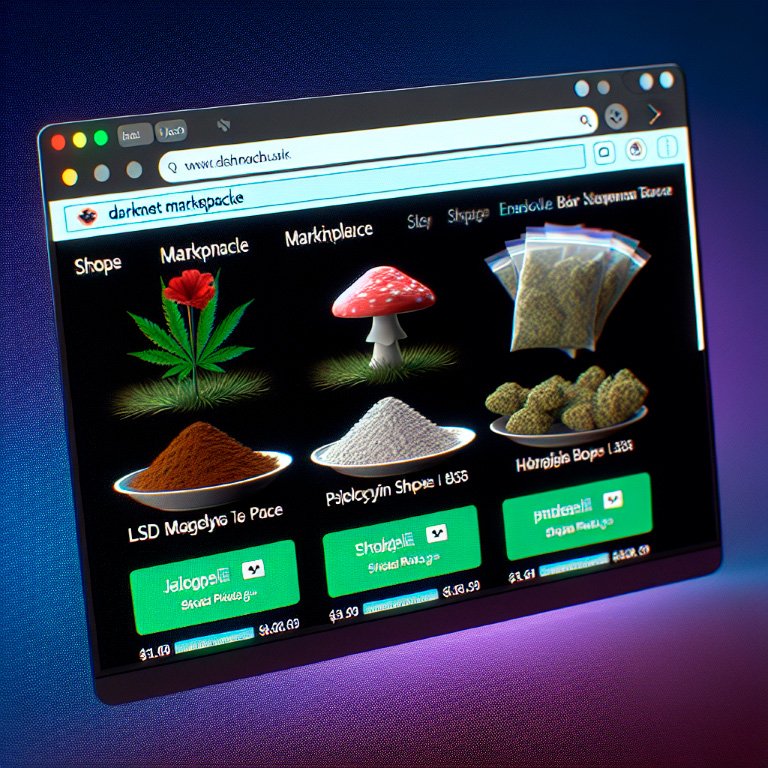
The user feedback system is a foundational component for establishing trust on a darknet marketplace. Unlike conventional retail, where institutional guarantees are absent, the community itself enforces quality and reliability standards. Every transaction concludes with the opportunity for a buyer to leave a detailed rating and written review, creating a permanent record attached to a vendor's profile.
This transparent archive of past performance allows new buyers to assess a vendor's history before committing to a purchase. Metrics typically include:
- Product quality accuracy relative to the listing description.
- Shipping speed and stealth of packaging.
- Clarity and professionalism of communication.
The system operates as a self-regulating mechanism. Vendors are financially incentivized to maintain high standards to preserve their reputation, which is their primary asset. This creates a stable environment where reputable sellers thrive. For buyers, it transforms the purchasing process from a gamble into a data-driven decision, where they can select a vendor based on the aggregated experiences of their peers, fostering a secure and efficient marketplace for all participants.
How Escrow Makes Buying on the Darknet Safer
The escrow system is a fundamental component for secure trade on a Nexus darknet link. It functions as a neutral third-party holding service for cryptocurrency payments. When a buyer places an order, the funds are locked in escrow by the platform and are not immediately released to the seller. This mechanism directly addresses the inherent trust deficit in anonymous environments.
The transaction proceeds through a defined sequence:
- The buyer submits payment, which is encrypted and held in the platform's escrow.
- The seller is notified and dispatches the product.
- Upon receipt, the buyer finalizes the order, triggering the escrow to release funds to the seller.
This process protects both parties. The buyer is assured they will only pay if the goods are delivered as described, mitigating the risk of vendor fraud. Conversely, the seller is protected from fraudulent chargebacks that are common in traditional e-commerce, as the funds are already secured and guaranteed upon buyer confirmation. Disputes are mediated through the platform's resolution system, where evidence from both sides is reviewed before escrow funds are allocated. The automated and transparent nature of this system reduces conflicts and fosters a stable commercial ecosystem, enabling participants to engage in trade with significantly reduced financial risk.
How Layered Encryption Keeps Darknet Trade Safe and Private
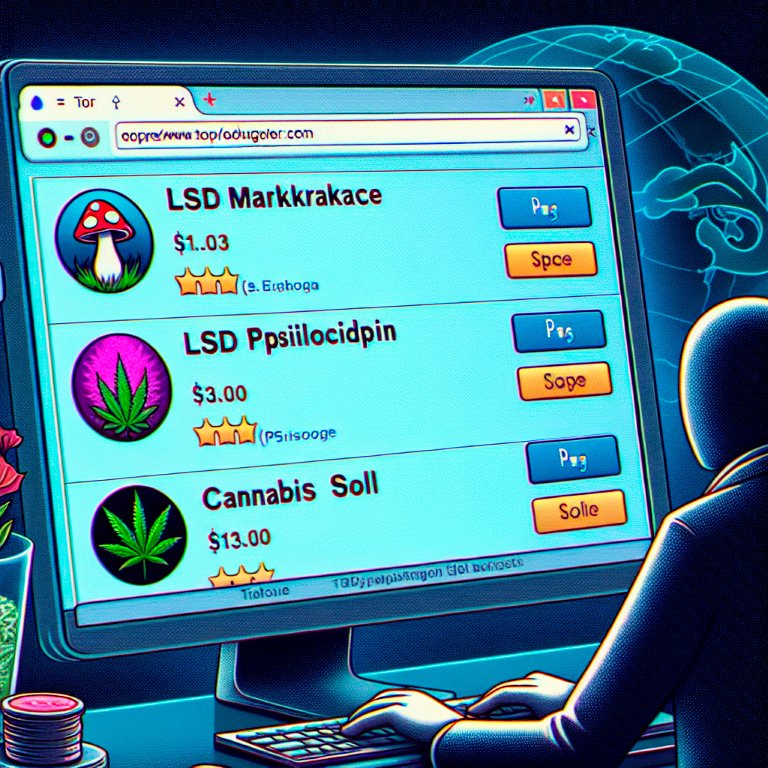
The foundation of secure access to a Nexus darknet link is layered encryption. This method uses multiple, independent cryptographic protocols simultaneously, where each layer must be compromised individually to break the user's anonymity. The primary tool for this is the Tor browser, which encrypts traffic and routes it through a volunteer-operated network of relays, obscuring the original IP address. For enhanced security, this is frequently combined with a VPN (Virtual Private Network), which adds an initial layer of encryption before the data even enters the Tor network, shielding the user's Tor usage from their internet service provider.
Beyond connection routing, end-to-end encryption (E2EE) is applied to all communications and transactions. This ensures that messages between a buyer and seller, including order details and shipping information, are encrypted on the sender's device and only decrypted on the recipient's device. Not even the platform's administrators can read this content. The system typically employs robust, open-source algorithms like PGP (Pretty Good Privacy), which uses a public and private key pair. Users share their public key to receive encrypted messages that only their corresponding private key can decrypt.
The practical effect of this layered approach is a significant reduction in operational risk for all parties. For buyers, it means their personal data, geographic location, and purchasing habits are concealed. For sellers, it protects their inventory and logistical chains. This creates a trustless environment where security does not rely on the goodwill of the other party but is enforced by mathematics and protocol design. The market's architecture effectively separates a user's identity from their financial and commercial activities, making the anonymous acquisition of goods a technically straightforward process.
How Routing Keeps Your Darknet Purchases Private
The foundation of secure access to a Nexus darknet link is the implementation of specialized routing protocols, primarily Tor (The Onion Router). This system is engineered to anonymize a user's internet traffic by encrypting and redirecting it through a volunteer-operated network of servers worldwide. The process involves multiple layers of encryption, akin to an onion, which are sequentially peeled away at each relay node. This design ensures that no single node in the pathway knows both the origin and the final destination of the data packet.
When a user connects to a marketplace via a Nexus darknet link, their connection is not direct. Instead, it is routed through at least three random relays:
- an entry guard,
- a middle relay,
- and an exit relay.
The practical benefit for marketplace participants is a significant reduction in operational risk. Sellers can manage listings without exposing their service location, while buyers can browse and purchase with confidence that their activity cannot be easily traced back to their home network. This environment of enhanced anonymity facilitates a more open and efficient commercial ecosystem. The routing technology does not inherently protect against all threats, such as poor user operational security, but it establishes a necessary and powerful baseline for private communication, making the darknet marketplace a viable platform for discreet commerce.

How Darknet Markets Make Buying and Selling Easier
The architectural principles of a consolidated darknet marketplace create a symbiotic economic environment. For the buyer, the primary benefit is reduced transaction cost, not merely in currency but in time and risk. A single, verified nexus link provides access to a vast array of aggregated vendors, enabling efficient price and quality comparison that would otherwise require navigating multiple, potentially unreliable sites. This concentration of supply fosters direct competition among sellers, which typically drives price stabilization and incentivizes higher product quality.
For the seller, the marketplace structure solves critical problems of client acquisition and trust establishment. Instead of investing resources into individual security and promotion, vendors operate within a pre-audited framework that brings a consistent stream of potential buyers. The integrated systems for user feedback and escrow perform essential functions:
- The reputation system translates vendor reliability into a tangible, marketable asset, rewarding consistent service with increased sales.
- The escrow service acts as a neutral third party, securing the funds until the buyer confirms receipt, which significantly lowers the incidence of fraud for both parties and builds transactional confidence.
The underlying privacy technologies, including layered encryption and special routing, benefit all participants equally by minimizing external threats. This allows the market's internal mechanismsreputation, escrow, and consolidated listingsto function effectively. The result is a more efficient, self-regulating commercial ecosystem where security and anonymity are embedded infrastructure, not individual burdens. This design shifts the focus from basic operational survival to quality of service and product differentiation, enhancing the experience for both buyers and sellers.
A Smooth and Secure Way to Buy Drugs on the Darknet
The streamlined darknet platform consolidates multiple market functions into a single nexus link, creating a cohesive environment for anonymous shopping. This design reduces the time and technical knowledge previously required to navigate disparate darknet resources. Users access a consolidated marketplace through a unified gateway, where aggregated vendor listings and integrated escrow services are standard features.
The experience is defined by operational efficiency and reinforced security. Transaction safety is managed by automated escrow services that hold funds until order fulfillment, directly addressing trust deficits common in peer-to-peer exchanges. Anonymity is maintained through a layered approach:
- End-to-end encryption for all communications and transaction details.
- Integrated special routing that obfuscates user connection points.
- Cryptocurrency transactions that are inherently pseudonymous.
This integrated system benefits both parties in the transaction. For buyers, the user feedback and ratings system provides a transparent metric for vendor reliability, creating a self-policing community. For sellers, the high-traffic, consolidated platform increases product visibility to a targeted audience. The result is a specialized e-commerce model that prioritizes transactional security and user privacy above all else, facilitating commerce in a manner tailored to the darknet's unique requirements.