Darknet Markets 2026:
The dark web is part of the deep web but is built on darknets: overlay networks that sit on the internet but which can't be accessed without special tools or software like Tor. Tor is an anonymizing software tool that stands for The Onion Router — you can use the Tor network via Tor Browser.
| Darknet Market | Established | Total Listings | Link |
|---|---|---|---|
| TorZon Market | 2022 | 140+ | Onion Link |
| Nexus Market | 2024 | 600+ | Onion Link |
| Abacus Market | 2022 | 100+ | Onion Link |
| Ares | 2026 | 100+ | Onion Link |
| Cocorico | 2023 | 110+ | Onion Link |
Updated 2026-10-27
Getting a Working Link to a Drknet Market
Access to a drknet market begins with a current, verified link, as these platforms frequently change their addresses to maintain operational security. These links, or onion URLs, are the gateways and must be sourced from specialized link aggregators or community forums that provide real-time verification. The process of finding a reliable link is foundational, as it directly connects users to the ecosystem's core functions.
Once inside, the environment operates on principles familiar to any e-commerce user. Vendors present their products with detailed descriptions and images, and the entire transaction is managed through an integrated cart and checkout system. This standardization reduces complexity and allows users to focus on product selection and vendor reputation. The system is designed for efficiency, mirroring the convenience of surface web shopping while incorporating enhanced privacy measures.
Transactions are conducted using cryptocurrencies, primarily Bitcoin or Monero, which facilitate smooth and private financial exchanges. The use of crypto eliminates traditional banking intermediaries, providing a layer of financial anonymity. For added security, funds are typically held in a market-controlled escrow service until the buyer confirms satisfactory receipt of the goods, ensuring a fair deal for both parties.
User safety is further reinforced by community-driven feedback and rating systems. These systems create a transparent record of vendor performance, where consistent product quality and reliable discreet shipping practices are publicly documented. This collective intelligence is a critical tool for identifying trustworthy vendors and avoiding potential scams.
The entire experience is protected by robust encryption. All communications, from browsing listings to finalizing orders, are encrypted end-to-end, often utilizing the market's built-in PGP messaging. This technical foundation protects user privacy and secures transaction details, making the drknet market a functional and resilient platform for modern digital commerce.
How Darknet Markets Work Just Like Online Stores
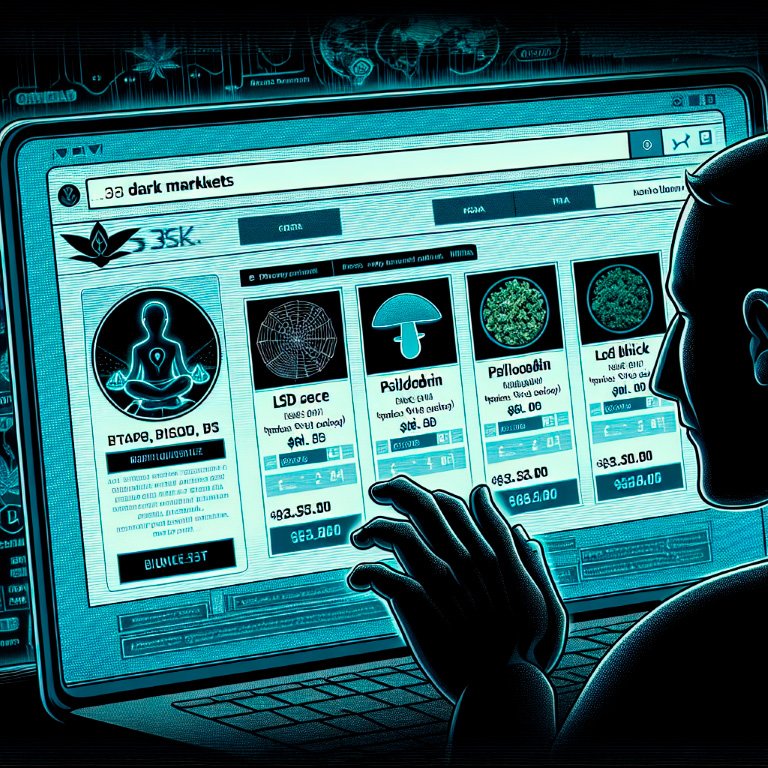
The operational framework of a modern darknet market is fundamentally identical to that of any mainstream e-commerce platform. A user arrives at the site via a current darknet market link and is presented with a familiar interface: a search bar, product categories, and vendor storefronts. Products are listed with detailed descriptions, photographs, and pricing, mirroring the presentation on sites like Amazon or eBay.
The core mechanics of a transaction follow a standardized e-commerce model. A customer selects a product, adds it to a digital shopping cart, and proceeds to checkout. Here, the platform's integrated escrow service is automatically engaged. The buyer sends cryptocurrency to this secured, third-party escrow account managed by the market, not directly to the vendor. This system protects the buyer by ensuring payment is only released after the product is received and confirmed.
Vendor reputation is maintained through a transparent feedback system. After a sale, buyers can leave detailed reviews and ratings on both product quality and the vendor's shipping discretion and reliability. This creates a self-regulating environment where high-quality vendors with consistent discreet shipping practices rise to prominence, while unreliable sellers are quickly identified by the community. The entire process, from browsing to finalizing a sale, is designed for efficiency and user security, proving that these platforms have successfully adopted and adapted the standard online retail blueprint for their specific ecosystem.
Private and Fast Drug Shopping with Crypto
Cryptocurrency is the financial engine of the darknet, enabling transactions that are both efficient and private. Unlike traditional payment systems, cryptocurrencies like Monero (XMR) and Bitcoin (BTC) operate on decentralized networks. This means payments can be processed without involving a bank or other identifying institution, adding a fundamental layer of discretion for both buyer and vendor.
The process is streamlined for user convenience. A buyer funds their market wallet with cryptocurrency, often after "tumbling" or using an exchange service to enhance privacy. When an order is placed, the funds are held in the market's escrow system until the buyer confirms satisfactory delivery. This mechanism mirrors the consumer protection found on surface web platforms, building trust within the ecosystem. The direct use of crypto allows for near-instant settlement across borders, eliminating the delays and fees associated with conventional international money transfers.
Privacy is further strengthened by the cryptographic nature of these currencies. While Bitcoin transactions are recorded on a public ledger, privacy-focused coins like Monero use advanced protocols to obfuscate sender, receiver, and transaction amount. This makes financial activity significantly more difficult to trace compared to a credit card purchase. For the user, this translates to a smoother shopping experience where financial privacy is a built-in feature, not an afterthought.

How Encryption Keeps Darknet Shopping Private and Secure
Encryption acts as the fundamental layer of privacy on darknet markets, transforming readable data into a secure format that can only be deciphered by the intended recipient. This process begins with end-to-end encryption (E2EE) for all communications between buyers and vendors. Every message discussing product details, shipping, or pricing is automatically encrypted on the sender's device and remains encrypted until it reaches the recipient's device. This system prevents anyone, including market administrators, from reading the contents of private conversations.
Beyond messaging, encryption secures the entire connection to the market through Transport Layer Security (TLS), commonly associated with the .onion protocol used by Tor browsers. This technology creates a secure tunnel for all data transmitted between a user's computer and the market website. It protects login credentials, financial information, and browsing activity from interception by outside parties. The combination of E2EE and TLS ensures that a user's identity, their activities, and their transactions remain confidential and separated from their real-world persona.
The practical effect of this encryption framework is a significant reduction in operational risk. Users can engage in transactions with the assurance that their personal data and the specifics of their purchases are not being monitored or logged in a vulnerable way. This protected environment is what enables the discreet and reliable shopping experience that defines modern darknet platforms, allowing commerce to proceed smoothly based on trust in the system's technical safeguards rather than in the identities of the parties involved.
Using Reviews to Find Good Vendors on the Darknet
The feedback system on a darknet market functions as a decentralized reputation mechanism, directly translating user experience into a quantifiable metric. When a transaction concludes, the buyer can leave a rating, typically on a five-star scale, and write a detailed review describing product quality, shipping speed, and stealth of packaging. This creates a transparent record for future buyers.
A vendor's overall rating and review history become their primary credential. Consistent high scores and positive comments across hundreds of transactions signal reliability. Buyers should analyze the substance of reviews, not just the average score. Detailed comments about product purity, accurate weight, and professional communication are more valuable than brief praise. The system's design mitigates fraud; only users who have finalized a purchase can leave feedback, preventing artificial inflation of ratings.
For optimal safety, a buyer's process should involve:
- Prioritizing vendors with a long history and a large volume of positive feedback.
- Reading recent reviews to confirm consistent current performance.
- Checking for and noting how vendors respond to any rare negative feedback, as this indicates their professionalism.

How Escrow Makes Buying on the Darknet Safe and Fair
The escrow service is a fundamental mechanism that enables secure transactions on darknet markets. It functions as a neutral third-party holding system for the buyer's cryptocurrency. When an order is placed, the funds are locked in escrow and are not immediately released to the vendor. This creates a protected environment for both parties involved.
The buyer gains confidence knowing payment is secure until the product is received and verified. The process typically follows a clear sequence:
- The buyer submits an order and sends payment to the market's escrow account.
- The vendor is notified and ships the product, providing proof to the system.
- Upon receipt, the buyer finalizes the order, releasing the escrowed funds to the vendor.
If a dispute arises, such as non-delivery or a significant quality issue, the buyer can open a case. Market moderators then review the evidence from both sides and adjudicate, releasing funds to the appropriate party. This system effectively reduces the risk of fraud, incentivizing vendors to maintain high standards in their product quality and discreet shipping practices to avoid disputes and negative feedback. The widespread adoption of escrow has been instrumental in professionalizing darknet commerce, fostering trust where traditional legal contracts are absent.
How Discreet Shipping and Quality Build Trust on the Darknet
The operational success of a darknet market is directly linked to its ability to deliver physical goods. This creates a fundamental requirement for discreet shipping and consistent product quality. Vendors who excel in these areas receive positive feedback, which is publicly visible and drives their reputation.
Discreet shipping involves specialized packaging techniques. Products are vacuum-sealed to prevent odor and concealed within decoy items or layered packaging. This methodology ensures the parcel appears ordinary, bypassing routine inspections without raising suspicion. The shipping label information is also carefully managed to appear legitimate.
Product quality is the other critical metric. Reliable vendors provide accurate descriptions and often include lab testing results for chemical substances to verify purity and composition. This transparency allows buyers to make informed decisions. The feedback system acts as a continuous quality audit; listings with numerous reviews detailing successful delivery and product accuracy are statistically more reliable.
The convergence of these two factorsstealth in logistics and integrity in productdefines a high-tier vendor. Markets that enforce standards for both attract a stable user base. The process is systematic: a buyer selects a vendor with proven feedback, the transaction is secured in escrow, and the vendor utilizes their refined shipping protocol. The final confirmation of success is reflected in the buyer's subsequent positive review, perpetuating a cycle of verified trust and market efficiency.
Keeping Your Darknet Market Links Fresh
Maintaining consistent access to a darknet market is a fundamental operational requirement for a seamless shopping experience. These platforms operate on a model of voluntary agglomeration, where vendors and buyers congregate at a known digital address. This address, or link, is the market's lifeline. However, the infrastructure supporting these markets is inherently dynamic due to both defensive and administrative actions.
Domain seizures or distributed denial-of-service (DDoS) attacks can render a primary link inaccessible. In response, market administrators generate new mirror links or alternative addresses that point to the same underlying platform. Without access to these updated URLs, users are effectively separated from their accounts, ongoing orders, and the vendor community. The process is analogous to a physical store moving to a new location; customers must be informed of the new address to continue patronage.
Therefore, a reliable stream of updated links is not ancillary but central to market function. It ensures:
- Transaction continuity: Buyers can finalize orders, release escrow funds, and provide feedback.
- Vendor stability: Sellers maintain their shopfronts, reputation scores, and customer relationships.
- Market resilience: The community disperses across multiple access points, preventing a single point of failure from collapsing the entire ecosystem.
Proactive users often utilize link aggregator services or verified community forums where these updates are shared in real-time. This practice mitigates disruption and underscores that in the darknet environment, consistent access, facilitated by current links, is a prerequisite for the secure and efficient e-commerce processes these markets have refined.