Darknet Markets 2026:
The dark web is part of the deep web but is built on darknets: overlay networks that sit on the internet but which can't be accessed without special tools or software like Tor. Tor is an anonymizing software tool that stands for The Onion Router — you can use the Tor network via Tor Browser.
| Darknet Market | Established | Total Listings | Link |
|---|---|---|---|
| TorZon Market | 2022 | 140+ | Onion Link |
| Nexus Market | 2024 | 600+ | Onion Link |
| Abacus Market | 2022 | 100+ | Onion Link |
| Ares | 2026 | 100+ | Onion Link |
| Cocorico | 2023 | 110+ | Onion Link |
Updated 2026-10-27
How darknet markets make buying drugs simple and safe
Finding a reliable platform is the first step for a successful transaction. The best darknet markets for drug purchases are distinguished by their longevity and stability, operating for extended periods without disruption. This demonstrates effective security and administrative practices. A market's design directly facilitates access; a clear interface with intuitive categories for substances, alongside a robust search and filter system, allows users to quickly locate specific products, vendors, or desired shipment origins.
User-generated feedback is a critical component for safety. Vendor review systems create a transparent environment where past transaction quality, stealth, and communication are publicly rated. Buyers consistently favor markets that enforce a mandatory escrow service, which holds payment securely until the product is received and confirmed. This mechanism protects both parties and builds essential trust. Furthermore, integrated encrypted messaging between buyer and seller ensures private discussion of order details without leaving the platform's secure ecosystem.
The transaction is finalized through dedicated financial systems. Markets employ cryptocurrency tumblers and direct wallet-to-wallet transfers to obfuscate payment trails. A successful market integrates these elementsinterface, community feedback, escrow, and secure paymentinto a single, streamlined process. This cohesive design reduces complexity and risk, providing a straightforward and dependable trading experience that grants easy access to a vast array of products.
How Encrypted Networks Make Buying and Selling Private
The foundational layer of security for any darknet market is its use of encrypted networks, primarily Tor or I2P. These systems are not optional features but the core infrastructure that enables private commerce. They function by routing a user's connection through multiple encrypted relays, effectively separating one's online activity from their physical location and identity.
This architecture provides two critical guarantees for participants. First, it ensures buyer anonymity by masking the IP address and location data that are typically exposed during standard web browsing. Second, it protects vendor operations by concealing the server infrastructure of the market itself, making it resistant to takedowns. The encryption is end-to-end, meaning that communication between buyer and seller, including order details and shipping addresses, remains secured within the network's tunnel and is inaccessible to outside interception.
The practical result is a trading environment where privacy is the default state. Users can browse product listings, communicate with vendors, and finalize transactions without exposing their real-world identities. This reliable privacy mechanism is what allows for the establishment of persistent, reputable marketplaces where trust can be built over time through transaction history and feedback, rather than through personal identification.
How Darknet Markets Keep Payments Safe and Simple
The secure payment systems used by leading darknet markets are fundamental to their operation and user trust. These systems are designed to protect every transaction from interference, ensuring that financial exchanges remain private and final. The standard method is the use of cryptocurrencies, primarily Monero (XMR) and Bitcoin (BTC), which provide a layer of anonymity by separating transactions from real-world identities.
Markets integrate escrow services directly into the payment process. When a buyer places an order, funds are held in escrow by the market itself. The vendor ships the product only after seeing the secured payment. This mechanism gives the buyer confidence to proceed, knowing the payment is safe until they confirm receipt and quality of the product. The funds are released to the vendor only after the buyer finalizes the order, or after a dispute is resolved by market moderators.
The technical implementation involves:
- Automated, multi-signature cryptocurrency wallets that require more than one key to authorize a transaction.
- Encrypted transaction details that are visible only to the buyer, vendor, and market moderators.
- Timed transactions that can automatically return funds to a buyer if a vendor fails to confirm shipment.
This creates a straightforward and dependable trading environment. The system removes the need for direct, risky cash transfers and builds a framework where both parties can engage in trade with a clear, enforced agreement. The reliability of these payment systems is a primary reason for the sustained operation and adaptation of darknet markets over time.
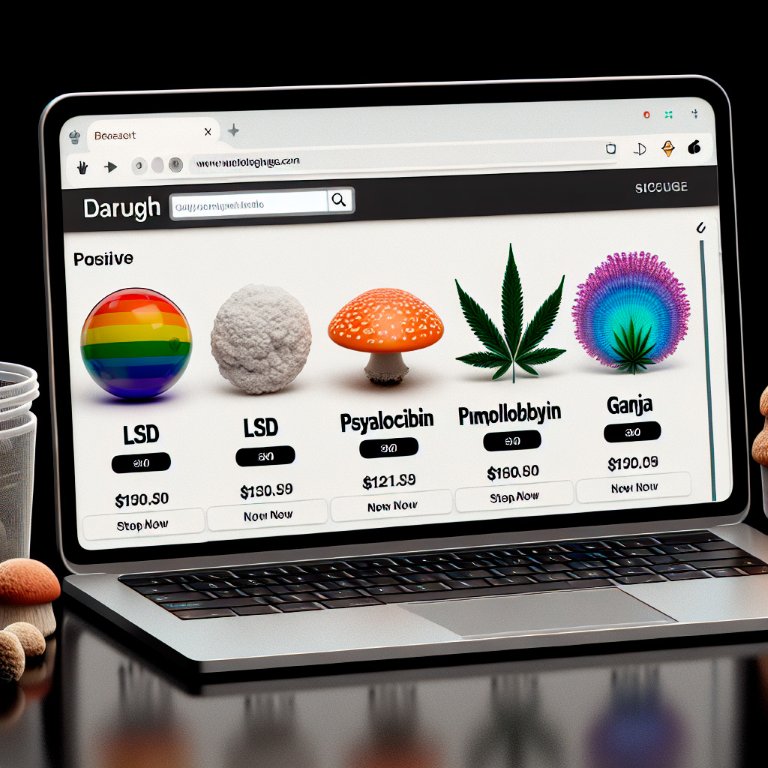
How Reviews Build Trust for Safer Buys on the Darknet
Vendor review systems are a fundamental component of reliable darknet markets, directly addressing the primary concern of transactional security for buyers. These systems function as a crowdsourced quality assurance mechanism, where past transactions generate data on vendor performance. A vendor's history of positive reviews establishes a reputation score, which becomes their most valuable asset.
The review content typically details:
- the precise product quality and purity
- the stealth and professionalism of the packaging
- the shipping speed and reliability
- the accuracy of the product weight or unit count
This detailed feedback allows new buyers to make informed decisions by comparing vendors based on empirical evidence rather than promises. Markets that enforce a verified purchase system prevent review manipulation, ensuring the feedback originates from actual transactions. Consequently, high-rated vendors have a strong economic incentive to maintain consistent product standards and honest communication, as a single wave of negative reviews can severely damage their business. This creates a self-regulating environment where trust is built through transparent, user-generated accountability.
How Escrow Makes Buying on the Darknet Safe and Fair
Escrow services are a fundamental component for secure transactions on darknet markets. They function as a neutral third party that holds the buyer's cryptocurrency payment after an order is placed. The funds are only released to the vendor once the buyer confirms satisfactory receipt of the product. This system directly mitigates the risk of fraud by creating a conditional transaction where neither party can unilaterally default on the agreement.
The operational model is straightforward:
- The buyer sends payment to the market's escrow wallet, not directly to the seller.
- The vendor ships the product upon seeing the payment is secured in escrow.
- The buyer finalizes the order, releasing funds from escrow to the vendor, only after verifying the product's arrival and quality.
This mechanism builds essential trust in an anonymous environment. For the buyer, it provides a guarantee against vendors who might otherwise accept payment and not ship items. For reputable vendors, it guarantees they will be paid for completed orders, protecting their business from fraudulent buyers who might falsely claim non-receipt. The widespread adoption and user reliance on escrow demonstrate its effectiveness in creating a stable and predictable commercial framework, which is a primary reason these platforms can sustain long-term operation.
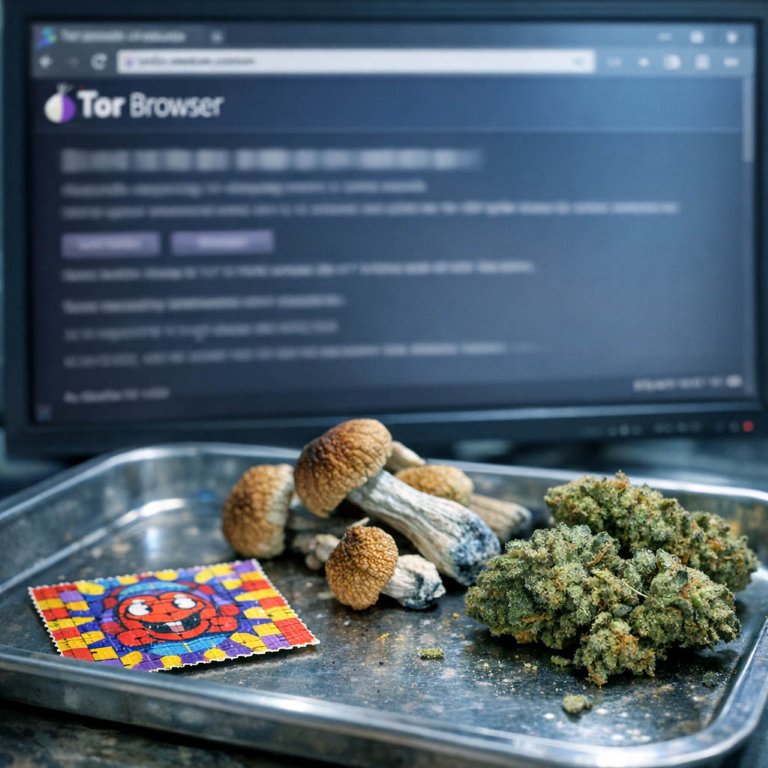
How Darknet Markets Build Lasting Trust
The longevity of a darknet market is a direct indicator of its reliability and operational security. Markets that endure for years demonstrate a proven capacity to evolve against external pressures and internal challenges. This adaptation is not accidental but is built into their design through decentralized infrastructure and community-driven governance.
Successful platforms implement continuous updates to their encryption protocols and site security, responding to new threats. They also refine their economic models, such as escrow and finalize-early options, to balance trust between buyers and vendors. The user feedback system is central to this evolution; persistent markets actively moderate forums and review systems to weed out scams, which in turn fosters a stable trading environment. This creates a self-reinforcing cycle where stability attracts more reputable vendors and experienced buyers, further solidifying the market's position. The result is a mature ecosystem where the mechanisms for safe purchasing are well-established and consistently tested over time.
Easy and Safe Shopping on the Darknet
The operational framework of leading darknet markets is engineered for user-centric efficiency and transactional reliability. This is achieved through a standardized interface that mirrors conventional e-commerce platforms, reducing the learning curve for new users. The process is segmented into clear, sequential steps: browsing catalogues, selecting products, and finalizing purchases through integrated systems.
A critical component is the multisignature escrow system. This mechanism holds the buyer's cryptocurrency in a secure, third-party account until the product is received and confirmed. Only then is the payment released to the vendor. This built-in arbitration minimizes fraud and builds essential trust between anonymous parties, ensuring that both sides fulfill their agreed-upon obligations.
Furthermore, the ecosystem is reinforced by transparent vendor feedback and rating systems. These are not simple comment sections but structured repositories of historical performance data. Users rely on this aggregated information to assess a vendor's reliability on metrics like product quality, shipping speed, and stealth packaging. This peer-review model creates a self-regulating environment where reputable vendors thrive, directly contributing to a predictable and dependable purchasing experience.
The integration of these elementsfamiliar navigation, enforced financial security, and community-driven accountabilitycreates a streamlined environment. This design philosophy ensures that the market operates with a high degree of automated consistency, making the act of trading as straightforward and dependable as the underlying technology permits.